What should a podcast host do when a guest gives one-word answers on air?
Clipped answers are usually nerves, unclear questions, or a guest who thinks brevity is polite. Here are the moves that open them up mid-recording.
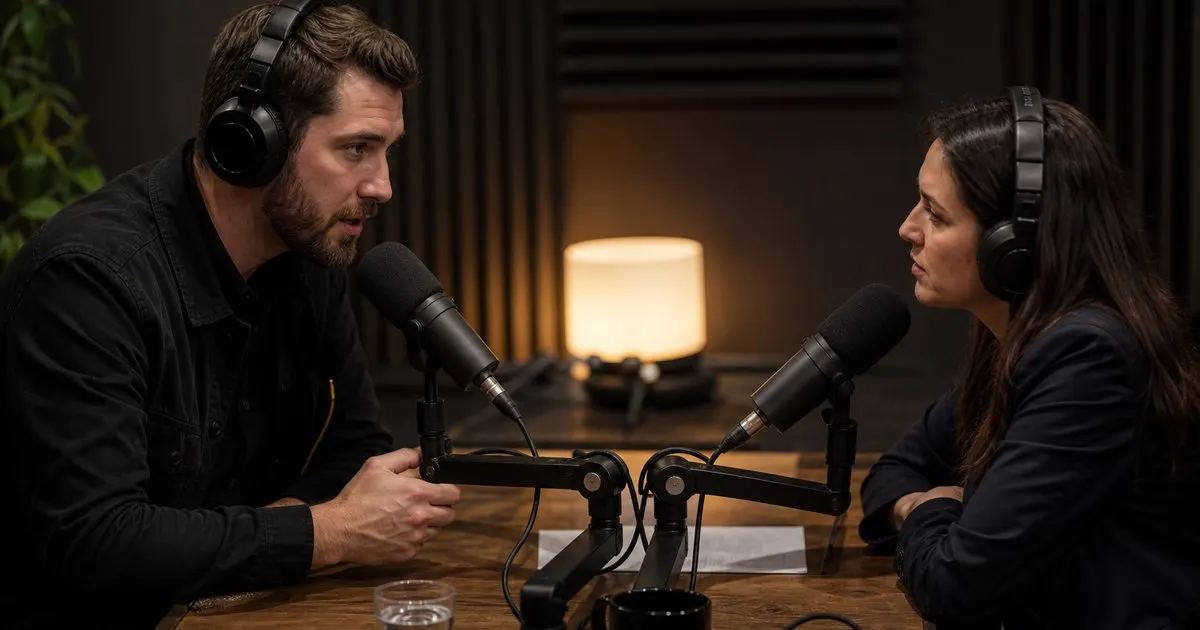
Figure out which kind of short you are getting
One-word answers come from a few different places, and the fix depends on the cause. A nervous guest gives short answers because they are monitoring themselves. A guest who has been over-prepared by a publicist gives clipped, safe answers because they are avoiding risk. A guest who is naturally concise thinks a tight answer is respectful of your time. And sometimes the answers are short because the questions are closed, and the guest is simply answering what was asked. Related: Making Guests Want to Come Back and Refer
You can usually tell within a few minutes. Nervous guests fidget and speed up. Cautious guests pause before every answer and sound rehearsed. Concise guests are relaxed and look at you expectantly for the next question. Once you know which one you have, you can pick the right adjustment rather than just asking louder or longer.
Keep reading: How to Book Great Podcast Guests, Preparing for an Interview That Flows, Writing Questions That Get Real Answers. See how GuestFlowr helps you podcast guest booking with an auto-built prep dossier.
Fix the questions before you fix the guest
Check your own side first. Questions that begin with "did you," "was it," or "do you think" invite a yes or a no. Rephrase in the moment to "walk me through," "what was going on when," or "what did that look like from where you sat." These force a narrative rather than a verdict. If you catch yourself asking two questions at once, the guest will answer the easier one briefly; ask one at a time.
Silence is the other tool. After a short answer, wait a beat longer than feels comfortable, with an attentive expression. Most people fill the gap, and what they fill it with is often more honest than the first answer. Hosts who jump in immediately train the guest to expect rescue. Hosts who wait train the guest to keep going.
Give the guest something concrete to react to
Abstract questions produce abstract, short answers. Instead of asking what they learned from a failure, describe a specific moment from your research and ask what was happening. Something like: in that interview last year you mentioned almost shutting the company down in the second year, so what was the conversation that turned it? A specific reference tells the guest you did the work and gives them a scene to describe rather than a lesson to summarize. Related: Writing Questions That Get Real Answers
You can also offer a mild, wrong hypothesis and let them correct you. Say that your guess is most of their customers came from referrals early on. A guest who has been saying yes and no for ten minutes will happily explain why you are wrong, and the explanation is the real answer. Use this sparingly and with obvious good humor so it does not read as a trap.
When to pause the recording and reset
If nothing is working after ten or fifteen minutes, stop. Say plainly that you want to pause for a moment, and have a normal conversation off the record about how it is going. Ask what they would find more interesting to talk about. Ask if there is a story they were hoping to tell. Many guests loosen up immediately once the recording light is off, and when you resume, that looseness carries over. Related: When should a podcast host record remotely versus bringing a guest into the studio?
Afterward, note what happened in your guest records and think about the booking. Were the topics you sent too broad? Was there no pre-call for a guest who clearly needed one? Did they not know the format? Short-answer sessions are almost always a preparation problem that shows up as a personality problem. The fix belongs in your process, not in the guest. Related: How to Book Great Podcast Guests
- Diagnose whether the guest is nervous, cautious, naturally concise, or answering closed questions.
- Rephrase to narrative prompts and let silence do some of the work after short answers.
- Reference specific moments from your research or offer a wrong guess for them to correct.
- If it persists, pause the recording, talk normally for a minute, and adjust your prep next time.

Julien Jimenez
Julien Jimenez is an independent software builder based in Paris. He designs, ships, and operates focused SaaS products for small businesses and independent professionals. Read the full author page.
Book great guests and show up prepared
Podcast guest booking with an auto-built prep dossier. GuestFlowr is built to help you put this into practice.
Book a guestMore from the GuestFlowr blog

How to Book Great Podcast Guests

Preparing for an Interview That Flows

Writing Questions That Get Real Answers
Get the GuestFlowr playbook
Practical guides on podcast booking, straight to your inbox as we publish them. No spam, unsubscribe any time.