When should a podcast host record remotely versus bringing a guest into the studio?
Remote recording is the default for most interview shows, but in-person sessions still win for certain guests and formats. Here is how to decide case by case.
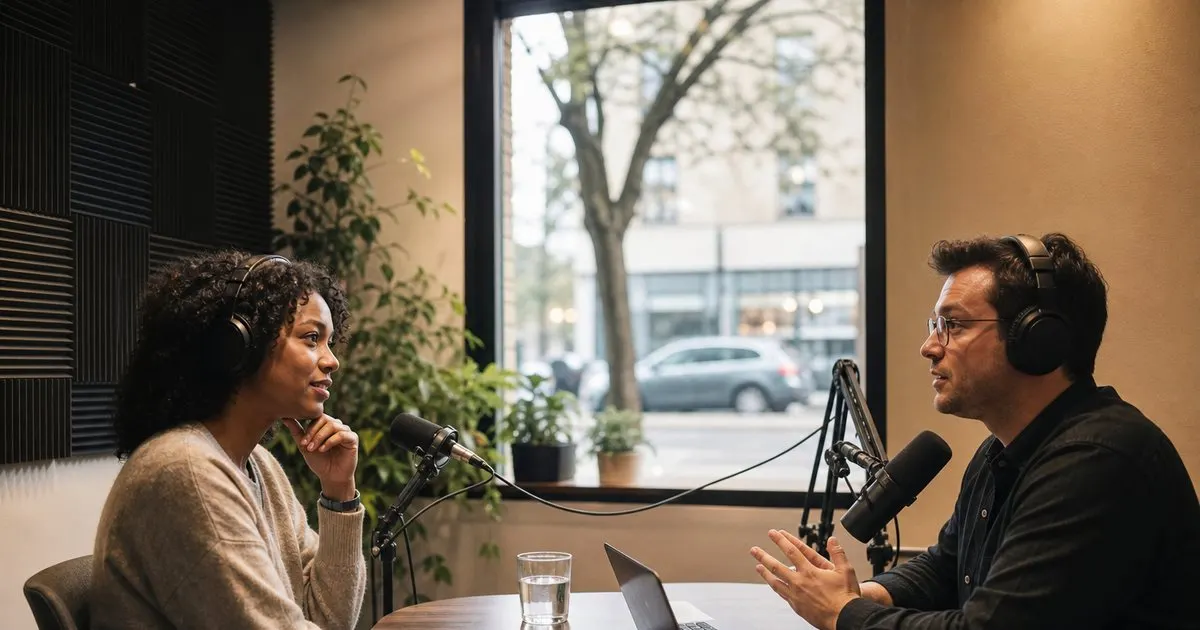
Start with the guest, not the gear
The right choice depends more on who the guest is than on what equipment you own. A local guest who is comfortable on camera and has flexible hours is an easy in-person booking. A guest three time zones away with a packed calendar is remote, full stop, and offering anything else just adds friction to the yes. Before you weigh audio quality, ask the practical questions: where are they, how much travel would it take, and would the trip feel like a favor or a burden? Related: How do you handle a podcast guest who cancels the day before recording?
Consider how the guest performs in each setting, too. Some people open up when they can see the host across a table and read body language. Others are more relaxed at their own desk with a familiar setup and no commute. If you have watched their previous interviews, you can often tell which kind of speaker they are. When in doubt, offer both and let them choose; guests rarely pick wrong about their own comfort. Related: Making Guests Want to Come Back and Refer
Keep reading: How to Book Great Podcast Guests, Preparing for an Interview That Flows, Writing Questions That Get Real Answers. See how GuestFlowr helps you podcast guest booking with an auto-built prep dossier.
What in-person actually buys you
In-person sessions give you consistent audio because you control every microphone, the room, and the levels. They also give you eye contact, natural pauses, and the ability to interrupt gently without the slight lag that makes remote conversations feel like turn-taking. For long-form conversations that depend on chemistry, or for video-first shows where two people in one frame is the visual identity, the difference shows in the final product.
The costs are real. Someone has to travel, the session takes half a day once you count setup and small talk, and a single scheduling conflict can push things weeks out. Studio rental adds a bill if you do not own a space. In-person makes sense when the guest is local, the episode is a flagship, or the format is built around the shared room. It is hard to justify for a standard weekly interview. Related: Writing Questions That Get Real Answers
Getting remote sessions close to studio quality
Most of the gap between remote and in-studio audio comes from the guest's side, not yours. Ask every remote guest to use a wired headset or earbuds, sit in a room with soft furnishings, and close the door. Send those three requests in the confirmation email and again in the reminder. A browser-based recorder that captures each person locally, rather than recording the call itself, removes most of the artifacts people associate with remote interviews.
Build a short technical check into the first five minutes. Listen to the guest's audio on headphones, ask them to move closer to the mic if needed, and confirm both of you have stable connections. It feels fussy the first time, but it prevents the far more awkward conversation about re-recording. If a guest's setup is hopeless, a good phone in a quiet room is often better than a bad laptop mic in an echoey one.
Hybrid setups and the choice for recurring guests
Some shows land on a hybrid: the host records in a fixed studio with a proper microphone and camera, and guests join remotely. This gives the show a consistent sound and look on the host's side while keeping booking easy. It works well for video podcasts where the host's frame is the brand and the guest window can vary. The key is to treat the guest's technical prep as part of the booking process rather than an afterthought. Related: How to Book Great Podcast Guests
For guests who return regularly, it is worth investing in a better remote setup on their end, or bringing them in for one in-person session a year. A recurring guest with a good microphone and a familiar routine sounds as good as most studio sessions, and the relationship gets the benefit of an occasional face-to-face meeting. Decide per guest, write the decision into their record, and stop relitigating it each time.
- Choose based on the guest's location, schedule, and comfort before thinking about gear.
- In-person wins for flagship episodes, chemistry-driven long-form talks, and two-shot video formats.
- Remote gets close to studio quality when guests use headphones, a quiet room, and local recording.
- A hybrid setup keeps the host consistent while making guest booking as easy as possible.
Julien Jimenez
Julien Jimenez is an independent software builder based in Paris. He designs, ships, and operates focused SaaS products for small businesses and independent professionals. Read the full author page.
Book great guests and show up prepared
Podcast guest booking with an auto-built prep dossier. GuestFlowr is built to help you put this into practice.
Book a guestMore from the GuestFlowr blog
How to Book Great Podcast Guests

Preparing for an Interview That Flows

Writing Questions That Get Real Answers
Get the GuestFlowr playbook
Practical guides on podcast booking, straight to your inbox as we publish them. No spam, unsubscribe any time.